From NASA to Nowhere: The Rise and Collapse of Altigreen
How a deep-tech EV startup with patents, pedigree, and powerful backers ran out of road in the middle of India’s EV boom.
Radhe Krishna Singh
Startup Editor
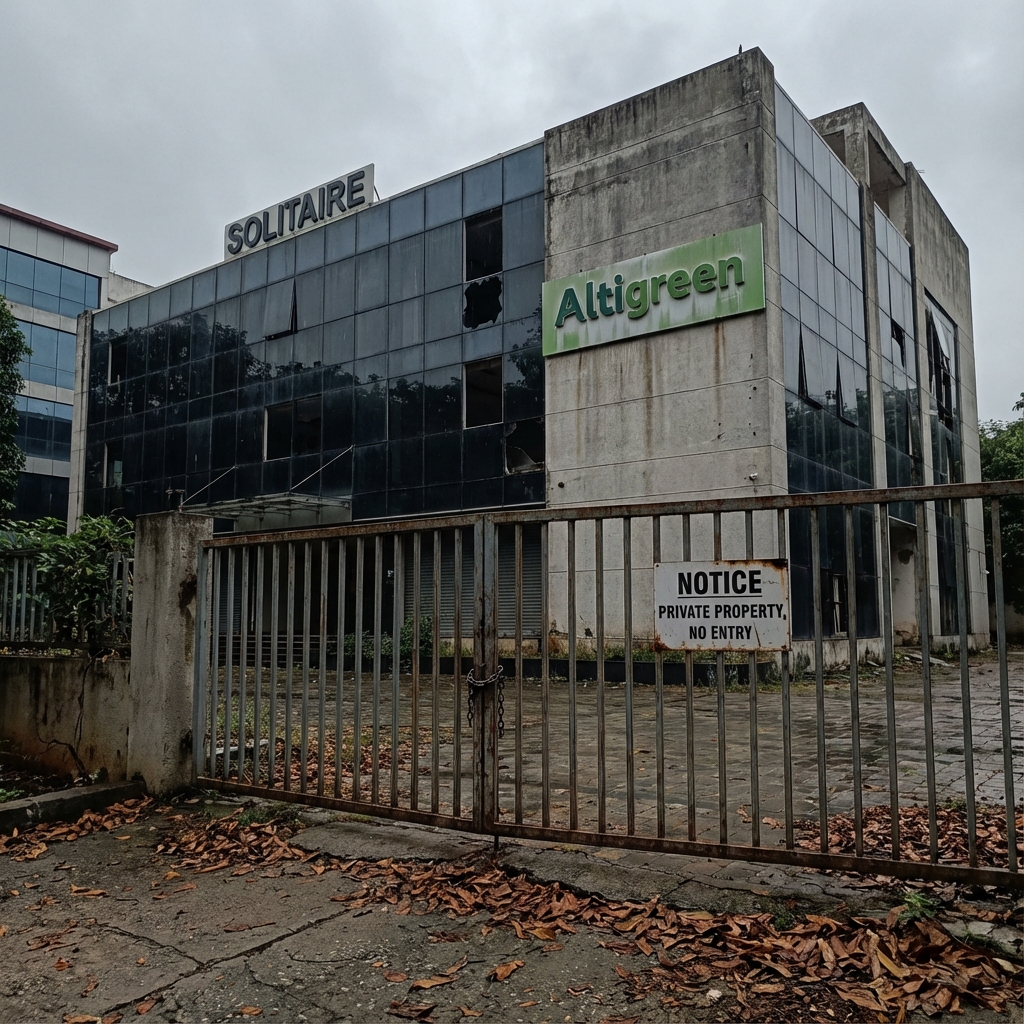
From NASA to Nowhere: The Rise and Collapse of Altigreen. How a deep-tech EV startup with patents, pedigree, and powerful backers ran out of road in the middle of India’s EV boom.
Part 1: The Narrative Arc — Rise & Vision
NASA Tech Meets Indian Roads
When Altigreen entered India’s electric mobility conversation, it didn’t look like another assembly-line EV player. It looked like the future.
At the center was Dr. Amitabh Saran—a former NASA professional with a Ph.D. in Computer Science from UC Santa Barbara. In an ecosystem dominated by auto veterans and Chinese-kit assemblers, Saran represented something different: deep tech.
The Indigenous Moat
Altigreen’s core pitch was simple and powerful:
- 29+ global patents
- Designed in India, for India
- No rebadged Chinese platforms
In a market where many EV startups imported CKD kits and slapped on a logo, Altigreen claimed a true technology moat.
The neEV Promise
Its flagship 3-wheeler lineup—the neEV Tez and neEV Bhai—looked impressive on paper:
- 11 kWh battery
- ~120 km real-world range
- Proprietary drivetrain engineered for Indian heat, bad roads, and daily abuse
For fleet operators and driver-owners, this sounded like the perfect workhorse.
The War Chest
By early 2024, Altigreen was one of the most well-funded EV startups in India:
- Reliance New Energy (~₹50 Cr)
- Sixth Sense Ventures
- Xponentia Capital
- Total funding: ~$40 million (≈₹300 Cr Series A)
Altigreen looked inevitable.
Part 2: The Collapse — A Timeline of Failure
Late 2024: The Warning Signs
Behind the glossy pitch decks, cracks appeared:
- Monthly sales crashed from triple digits to 50–90 units.
- Dealers reported inventory pile-ups—vehicles unsold for over a year.
- Demand on paper did not translate to cash at the counter.
January 2025: The Cash Crunch
The internal alarm bells turned public:
- Salary delays began.
- Company-wide pay cuts announced.
- Emergency cost controls kicked in.
Then came the biggest red flag.
The Failed Raise
Altigreen attempted to raise $85 million (Series B)—and failed.
Investors balked at:
- High burn rate
- Weak market leadership
- Poor sales velocity
At the same time, Euler Motors successfully raised $75 million, proving capital was available—just not for Altigreen.
June 2025: The Death Blow
- Manufacturing at the Malur, Karnataka plant halted.
- Bengaluru HQ vacated.
- Employees sent to “Work From Home” (effectively furloughed).
- Status: Functionally defunct.
Part 3: The “Why” — Strategic Autopsy
This is the real story. The market was growing. EV adoption was accelerating. So why did Altigreen fail?
1. The Passenger Vehicle Distraction (The Fatal Mistake)
Altigreen’s biggest error wasn’t technical—it was strategic.
Instead of using ₹300 Cr to dominate the 3-wheeler segment, management diverted massive capital into:
- 4-wheeler passenger EV R&D
- Light Commercial Vehicles (LCVs)
This was a moonshot with:
- Zero short-term revenue
- Massive R&D burn
- No clear go-to-market path
Impact: The core 3-wheeler business—Altigreen’s only revenue engine—was starved of:
- Sales incentives
- Dealer support
- Aggressive marketing
While competitors doubled down on one product, Altigreen tried to build the future too early.
2. The Channel Stuffing Trap
To show growth to investors, Altigreen pushed inventory aggressively to dealers.
- On paper: Shipments = growth
- In reality: Demand wasn’t real.
Vehicles sat unsold for months (sometimes over a year). Dealers were forced to hold dead inventory. Attempts to rotate stock between dealers destroyed trust.
Dealer Feedback
Reports indicate:
- Operational issues appeared within 3 months of sale.
- Downtime hurt daily-wage drivers.
- Word-of-mouth damage spread fast in driver communities.
In commercial EVs, uptime is everything. Once that trust breaks, the brand collapses.
3. Management in Denial
Even as factories slowed and sales collapsed, leadership publicly maintained that demand was strong.
A quote cited in an Inc42 investigation captures the disconnect:
“We knew there were a lot of dealers… frustrated with unsold inventory.”
Knowing the problem is not the same as fixing it. By the time reality was acknowledged, cash—and credibility—were gone.
Part 4: Financial Forensics — The Numbers Don’t Lie
| Metric | FY23 (Approx) | FY24 (Collapse) | Trend |
|---|---|---|---|
| Revenue | ~₹95 Cr | ₹119 Cr | +25% |
| Losses | ~₹78 Cr | ₹242.5 Cr | +209% |
| Burn Ratio | High | 2:1 | Unsustainable |
The Key Insight
Altigreen lost ₹2 for every ₹1 it earned.
A 209% jump in losses with only 25% revenue growth proves one thing: Unit economics were fundamentally broken.
No amount of patents can fix that.
Part 5: The Fallout — Human & Market Impact
Employees
- Workforce shrank from ~400 to ~130.
- Many unpaid since early 2025.
- ESOPs rendered worthless.
Customers
- Thousands of orphaned vehicles.
- No spare parts supply.
- No service network.
- Zero resale value.
Vendors
- Small component manufacturers owed crores.
- Cash-flow crises triggered down the supply chain.
Part 6: Winners by Contrast
Euler Motors
- Focused on one product (HiLoad).
- Solved reliability first.
- Raised capital at the right time.
Mahindra
- 55% market share in L5 category.
- Scale + service network crushed startups.
- Became the default “safe choice”.
Conclusion: The Real Lesson
Altigreen’s story is not about bad technology. It’s about misaligned priorities.
- Deep tech ≠ product-market fit
- Patents ≠ sales velocity
- Vision ≠ execution
Altigreen tried to build tomorrow before winning today.
The Bigger Picture
Its collapse marks the Great Filter of Indian EVs (2025):
- From 100+ startups
- To a handful of serious players
The EV gold rush is over. The execution era has begun.
About Radhe Krishna Singh
Startup Editor at rakrisi Daily. Covering startups and technology trends.